Geometry and load placement
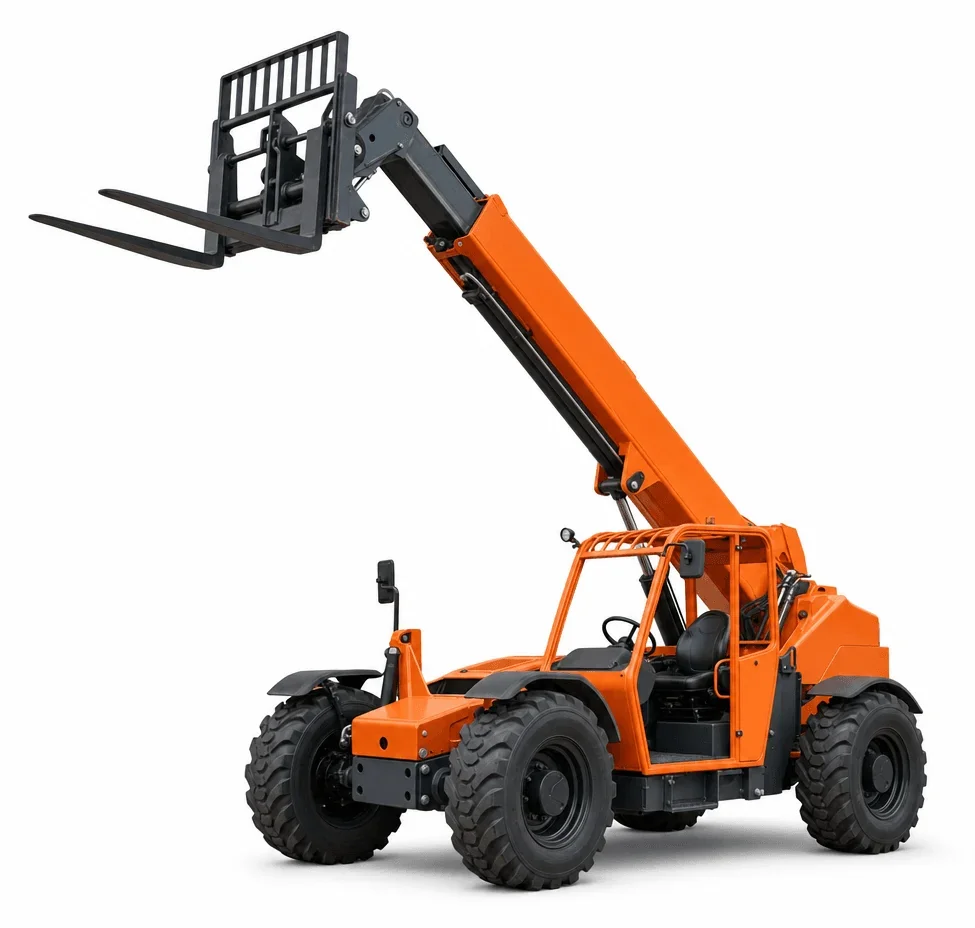
Telehandlers lose capacity as the boom extends. The most useful data points are:
- Maximum placement height and horizontal reach at the intended load radius
- Load dimensions that affect fork spacing and visibility
- Approach angles and whether the machine can square up to the landing point
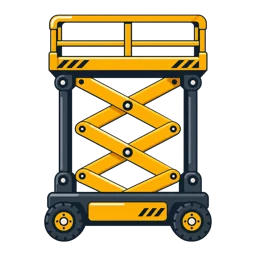
If the task is personnel access rather than material placement, compare aerial options at /boom-lift-rental/ or /aerial-lift-rental/.
Surfaces across Rockford jobs
On established industrial aprons, slab surfaces favor pneumatic or foam-filled tires that protect the surface while carrying weight. On new pads and laydown areas, seasonal mud, ruts, or frost heave push the decision toward higher ground clearance and aggressive tread. Four-wheel steering can help thread between rebar mats, stored materials, and forming.
Indoor and door constraints
Some logistics buildings require entry through standard overhead doors to place loads inside. Machine height, overall width, and turning radius may rule out larger units. For tight interior placements at modest heights, consider /forklift-rental/ for compact turning aisles and predictable slab performance.
Weather and scheduling
Storm-driven delays are common on open sites around Rockford. Keep a plan for slab-only work when the ground softens, and verify that routes used for staging do not exceed point-load limits on temporary coverings. Actual conditions, the selected unit’s instructions, and site procedures govern how and when lifts can move and place loads.
Narrowing the telehandler choice
- Confirm load chart at the radius you will actually use, not just max capacity
- Check tire type and drivetrain against mud risk and ground bearing
- Measure overhead door height and width if interior access is required
- Attachments impact dimensions and visibility; account for that in aisle planning
Related planning resources
- Indoor pallet handling: /forklift-rental/
- Site security and staging: /temporary-fencing-barricades-rental/
- Power for remote tools: /generators-light-towers-rental/