When the task is blocked by structure
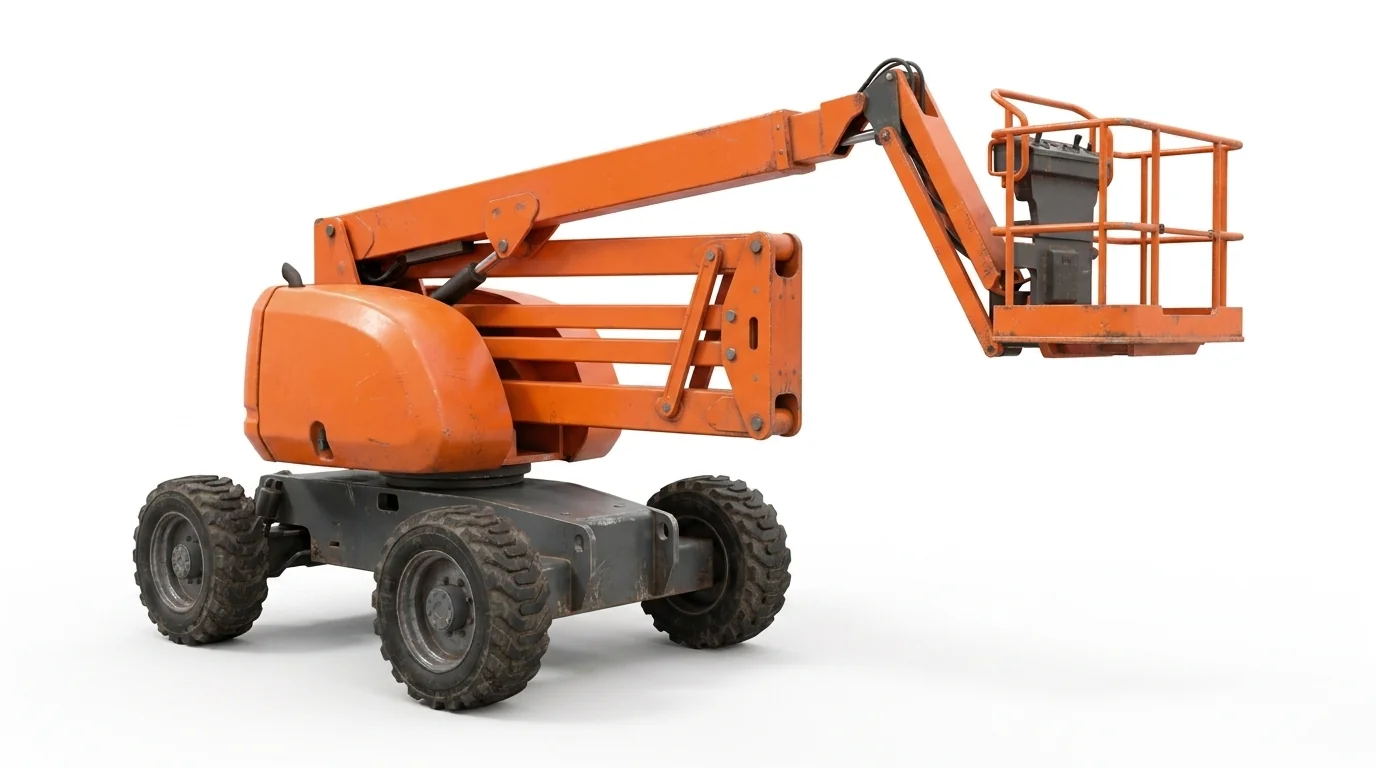
Articulating sections create a Z-pattern to reach over racking, process lines, and canopy edges. The key dimensions are:
- Horizontal stand-off from the machine to the vertical face you must clear
- Clearance height of the obstruction versus the work height beyond it
- Tail swing and jib articulation available in the required plane
In local distribution buildings, column grids and dock equipment often limit where the base can sit. Measure the aisle width and confirm whether the unit can rotate within that envelope without contacting posts or guardrails.
Surface and floor considerations in Rockford facilities
Many manufacturing floors use specialized coatings and specified point loads. The deciding factors are machine weight, tire type, and wheel load. Non-marking tires and reduced point pressure help protect sensitive floors found in high-tech production areas. If the task crosses thresholds from slab to outdoor apron, note any joints, drains, or frost heave that interrupt a smooth path.
For exterior work on new builds or site expansions, spring thaw and summer storms can leave muddy approaches. If the surface is not a finished slab, compare an articulating model with rough-terrain capability to options in /rough-terrain-scissor-lift-rental/ or consider straight booms in /telescopic-boom-lift-rental/ when reach is mostly horizontal.
Weather and geometry
Rockford winters bring ice and snow that tighten maneuvering space around docks and service yards. Summer thunderstorms can add wind exposure on open faces of tall structures. Actual site conditions, the selected unit’s instructions, and site procedures govern if and when a lift can be used. Plan a backup indoor access path using /electric-scissor-lift-rental/ if weather closes outdoor work.
Narrowing the articulating category
Use these checkpoints to scope the size and configuration:
- Can the machine sit below the task, or must it reach from an offset position?
- Minimum aisle width for entry and turning at the work zone
- Required up-and-over height compared to platform height
- Floor protection needs: non-marking tires, weight limits, and wheel load data
- Power source: electric for indoor logistics spaces; hybrid or diesel for mixed surfaces
If the job is truly straight-out reach to a façade or mast, a unit from /telescopic-boom-lift-rental/ may be simpler. For tight, low-height maintenance inside conveyors or between lines, /vertical-mast-lift-rental/ can reduce footprint.
Typical Rockford use cases
- Maintenance above conveyors in cargo-sorting areas
- Access over mezzanines in industrial sites
- Exterior façade repairs where the base must stay clear of landscaping or soft ground
Related planning resources
- Broader aerial overview: /aerial-lift-rental/
- Category overview: /boom-lift-rental/