Start with geometry
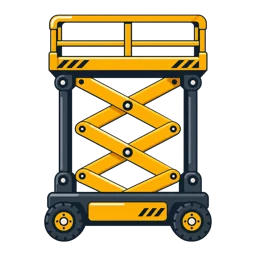
- Straight up: choose a scissor lift when the platform can park under the work. See /electric-scissor-lift-rental/ for indoor slabs and /rough-terrain-scissor-lift-rental/ for unfinished ground.
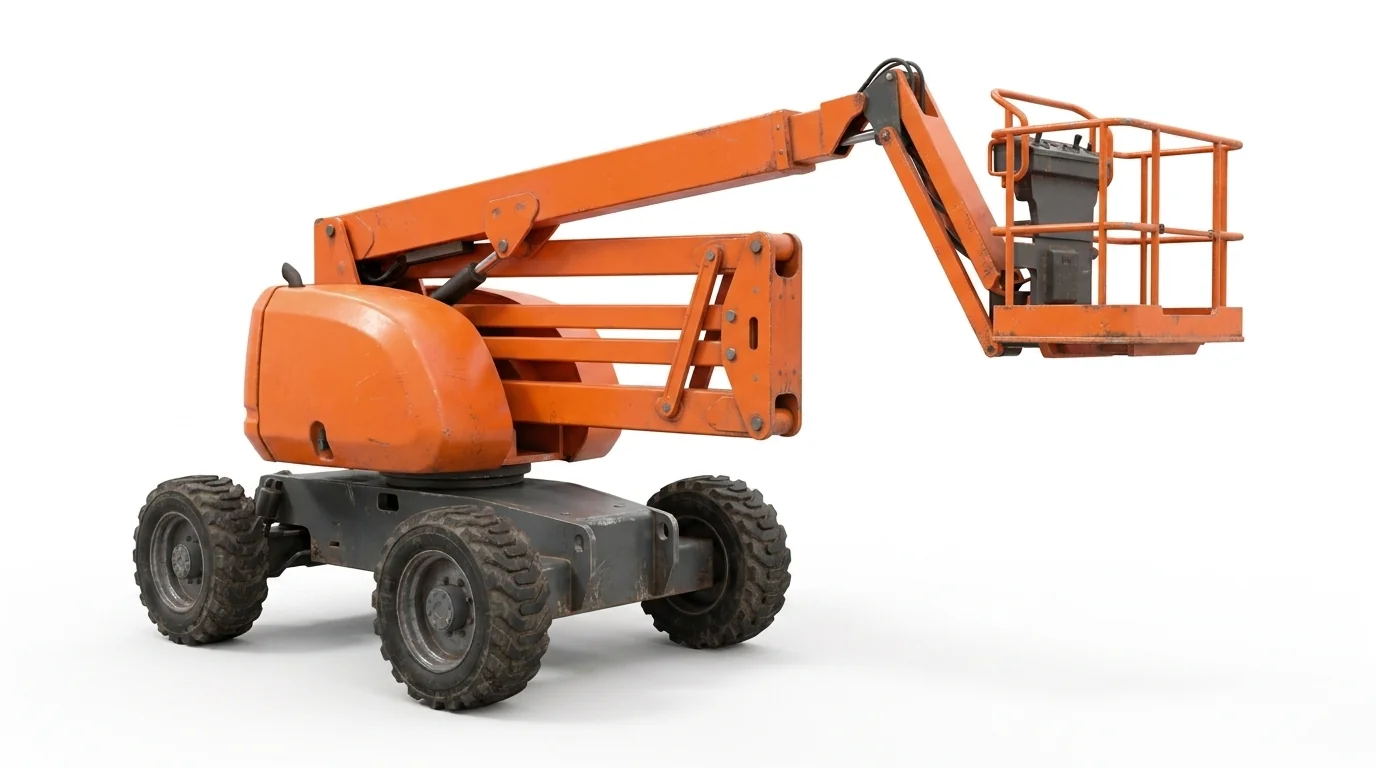
- Up‑and‑over: choose a boom lift when conveyors, racking, facades, or set‑backs prevent direct access. Compare options at /boom-lift-rental/.
Rockford environments that shape selection
- Logistics buildings: long, narrow aisles and sensitive interiors favor compact electric scissors.
- High‑clearance manufacturing: low‑emission electric units and precise maneuvering are common, but booms may be needed to reach over process equipment.
- New construction: rough‑terrain scissor or boom lifts handle variable ground until interiors are enclosed.
Surface, access, and weather
- Surface: slab floors vs. seasonal mud or graded pads determine tire type and drive configuration.
- Access: doorways, docks, and laydown paths set hard limits on width, stowed height, and turning radius.
- Weather: winter and storm seasons may shift exterior work to interior phases or require different equipment day to day.
Boom lift types at a glance
- Articulating: navigates over obstacles with multiple joints; useful around racking or process lines.
- Telescopic: longer straight reach for set‑backs and open exterior work. Explore both at /boom-lift-rental/.
Related material handling and support
If the job includes moving pallets, pipe, or panels before elevation, consider /forklift-rental/ or /telehandler-rental/. For site support, see /generators-light-towers-rental/ and /temporary-fencing-barricades-rental/.
Contact
Outline height targets, obstacles, and surface conditions at /contact/ or call (815) 706-5407.